Suvendu Adhikari Oath Ceremony 2026 | BJP Government in West Bengal Full News
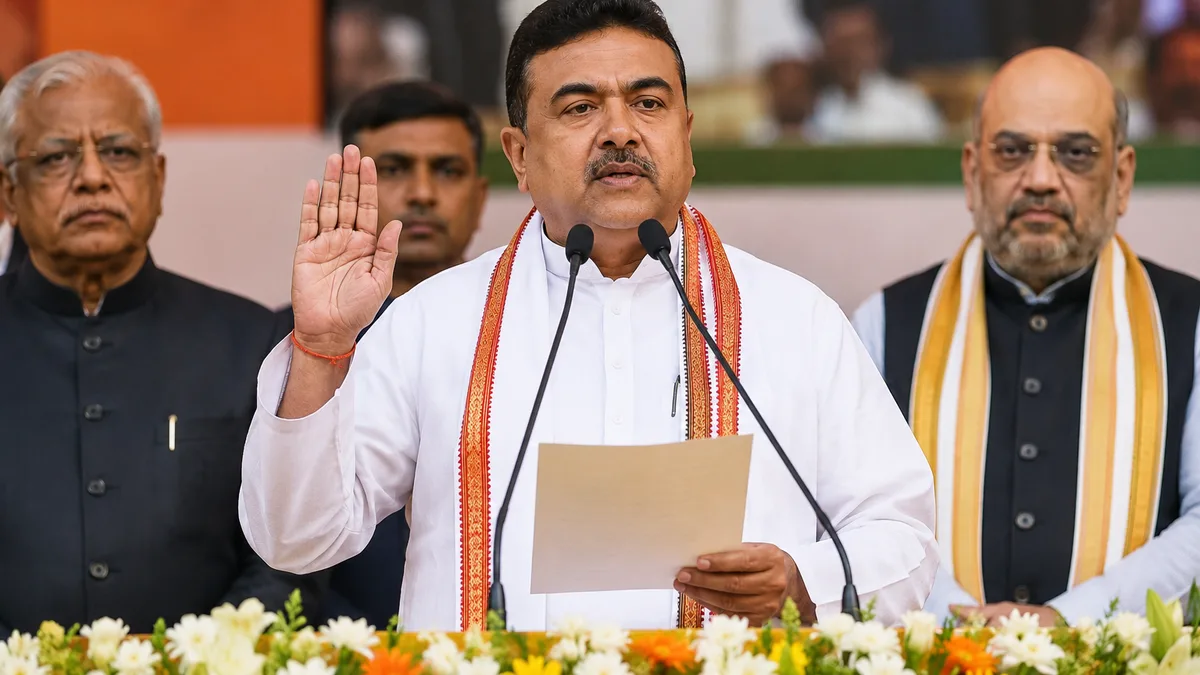

BJP leader Suvendu Adhikari officially took oath as West Bengal Chief Minister after BJP achieved a historic victory in the 2026 Assembly Elections.
Suvendu Adhikari Officially Becomes West Bengal Chief Minister
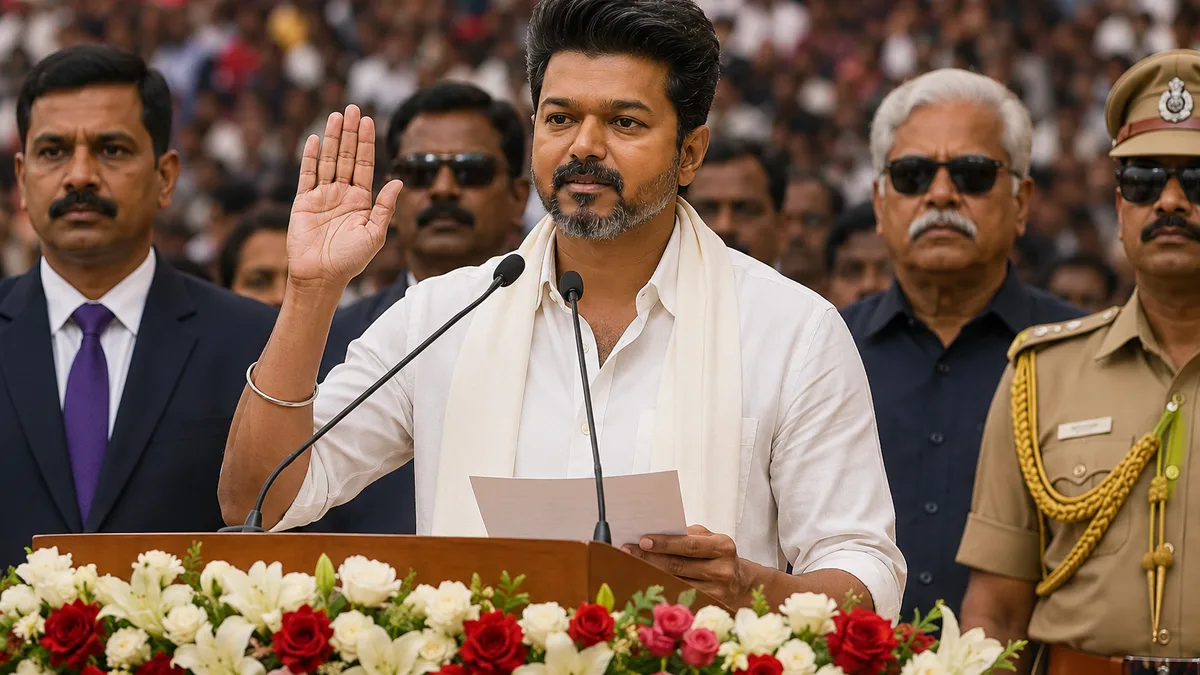
West Bengal politics witnessed one of the biggest political changes in modern Indian history after BJP leader Suvendu Adhikari officially took oath as the new Chief Minister of West Bengal on 9 May 2026. The oath ceremony was held at Kolkata’s famous Brigade Parade Ground in the presence of top BJP leaders, NDA chief ministers, and thousands of supporters. The event marked the formation of the first-ever BJP government in West Bengal history.
The oath-taking ceremony attracted national attention because West Bengal had remained politically dominated by parties like TMC and Left Front for decades. BJP’s victory in Bengal is now being described by political analysts as one of the biggest electoral breakthroughs for the party in eastern India.
Massive Crowd Gathered During Oath Ceremony
Thousands of BJP supporters arrived in Kolkata from different districts including Howrah, Midnapore, Siliguri, Asansol, Malda, and Murshidabad to witness the swearing-in ceremony. Roads around Brigade Parade Ground remained heavily crowded throughout the day.
Party workers carried BJP flags, posters, and banners while chanting slogans supporting the new government. Large security arrangements were made across Kolkata because several top national leaders attended the ceremony.
Prime Minister Narendra Modi, Union Home Minister Amit Shah, and multiple NDA chief ministers were reportedly present during the event, making it one of the biggest political ceremonies held in Bengal in recent years.
BJP’s Historic Victory Changed Bengal Politics
The 2026 West Bengal Assembly Election completely changed the state’s political landscape. BJP secured a massive victory by winning more than 200 seats in the 294-member assembly, while Mamata Banerjee-led TMC suffered a major defeat.
Political experts believe BJP’s aggressive campaign strategy, strong booth management, and anti-incumbency wave helped the party achieve this historic result.
Suvendu Adhikari emerged as the biggest political face of the election after defeating Mamata Banerjee in her stronghold constituency. His victory became one of the most discussed political moments during election counting day.
Analysts say the BJP successfully expanded support among:
- Urban middle-class voters
- Young voters
- Rural Hindu communities
- First-time voters
- Women beneficiaries of central schemes
The result ended nearly 15 years of Trinamool Congress rule in West Bengal.
How Suvendu Adhikari Became BJP’s CM Face
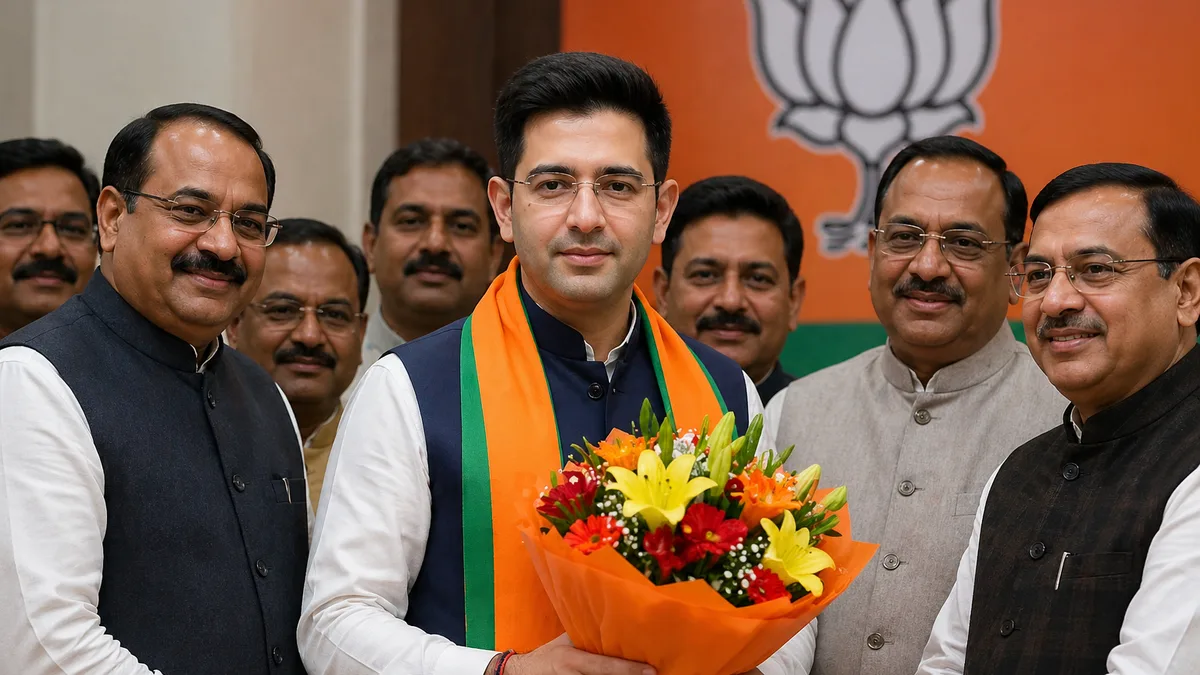
After BJP’s victory, party MLAs held a legislative meeting in Kolkata where Suvendu Adhikari was unanimously elected as the leader of the BJP Legislature Party.
Senior BJP leaders including Amit Shah reportedly supported his name for the Chief Minister position because of his strong organizational role during elections and his influence in Bengal politics.
Political observers believe Adhikari’s experience in Bengal politics and his previous association with TMC helped BJP gain strategic advantage during campaigning.
Soon after being selected as legislature leader, Suvendu met Governor R. N. Ravi and formally staked claim to form the government.
Major Promises Made by New BJP Government
During election campaigns and after taking oath, BJP leaders highlighted several major priorities for the new Bengal government.
Industrial DevelopmentThe new government promised faster industrial investment and job creation projects across West Bengal.
Law and Order ImprovementBJP leaders stated that strong action would be taken against political violence and organized crime.
Women Safety ProgramsThe government promised improved women security systems and faster legal response mechanisms.
Infrastructure ExpansionSeveral highway, metro, railway, and smart city projects are expected to receive faster approvals under the new administration.
Employment OpportunitiesThe BJP government promised youth employment programs, startup support, and private sector investment expansion.
Political experts say public expectations from the new government are extremely high because voters expect visible administrative changes quickly.
Mamata Banerjee and TMC React to Election Result
After the election result, Mamata Banerjee questioned the outcome and raised concerns regarding the election process. However, BJP leaders rejected all allegations and called the victory a “people’s mandate for change.”
Political tensions remained high in some districts after results, leading to heavy police deployment in sensitive areas.
Meanwhile, BJP supporters described the victory as the “biggest political transformation” in Bengal after decades of regional dominance by non-BJP parties.
Ceremony Coincided with Rabindranath Tagore Anniversary
One important highlight of the oath ceremony was its timing. BJP leaders selected 9 May, which coincided with Rabindranath Tagore’s birth anniversary celebrations, to symbolically connect the new government with Bengal’s cultural identity.
Several cultural performances and Bengali traditional programs were also organized around the ceremony venue.
Political experts believe BJP attempted to present itself not only as a political force but also as a party connected with Bengal’s cultural heritage.
National Leaders Attend Swearing-In Ceremony
The presence of top national leaders made the oath ceremony even more significant.
Reports suggested attendance by:
- Prime Minister Narendra Modi
- Amit Shah
- NDA Chief Ministers
- Senior BJP ministers
- National party leaders
The BJP leadership described Bengal’s victory as one of the party’s biggest achievements in eastern India.
Bengal Politics Enters Completely New Era
With Suvendu Adhikari officially becoming Chief Minister, West Bengal politics has now entered a completely new phase.
For decades, Bengal politics revolved around Left Front and Trinamool Congress dominance, but BJP’s historic victory has now shifted the political balance completely.
Supporters believe the new government can bring industrial growth, stronger governance, and infrastructure development, while critics say the BJP government will face major challenges including unemployment, political tensions, and economic pressure.
However, political analysts agree on one point — the 2026 West Bengal election has become one of the biggest political turning points in modern Indian politics.