Women’s Reservation Bill Fails in Lok Sabha 2026: 33% Women Quota Amendment Falls Short of Majority
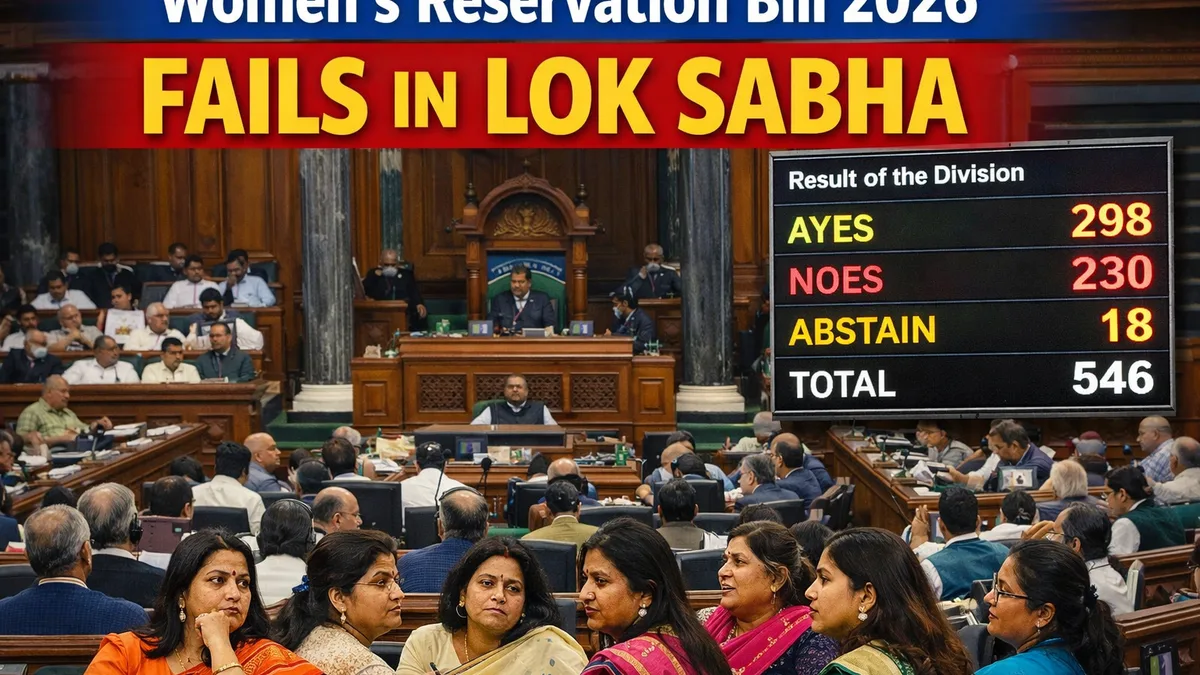

Women’s Reservation Bill fails in Lok Sabha after missing required two-thirds majority support.
Women’s Reservation Bill Fails in Lok Sabha 2026: 33% Women Quota Proposal Falls Short of Majority Support
New Delhi, April 18, 2026:
India’s proposed Women’s Reservation constitutional amendment linked to 33% reservation for women in the Lok Sabha and state assemblies failed to pass after it did not secure the required two-thirds majority during voting in the Lok Sabha. The development has triggered strong political reactions across parties and raised fresh debate about the timeline of women’s representation reforms in Parliament.
Women’s Reservation Bill Failed Due to Lack of Two-Thirds MajorityThe Constitution (131st Amendment) Bill, 2026 received 298 votes in favour and 230 votes against, falling short of the mandatory two-thirds majority required to pass a constitutional amendment in the Lok Sabha.
The bill aimed to operationalise 33% reservation for women in Parliament and state assemblies earlier than previously scheduled timelines linked to delimitation and census-based seat restructuring. However, without sufficient support in the House, the proposal could not move forward.
Bill Was Linked to Delimitation and Expansion of Parliamentary SeatsThe amendment was part of a broader legislative package that also proposed increasing Lok Sabha seats significantly and implementing delimitation reforms before applying women’s reservation.
Opposition parties supported women’s reservation in principle but raised objections to linking the quota implementation with delimitation exercises, which became a major reason behind the bill’s defeat during voting.
Government Reaction After Bill’s DefeatGovernment leaders stated that the failure of the bill should not be seen as the end of women’s reservation reforms and assured that efforts would continue to ensure stronger representation for women in legislative bodies.
Officials also confirmed that related delimitation proposals connected to the implementation process have been temporarily put on hold following the defeat of the amendment bill in the Lok Sabha.
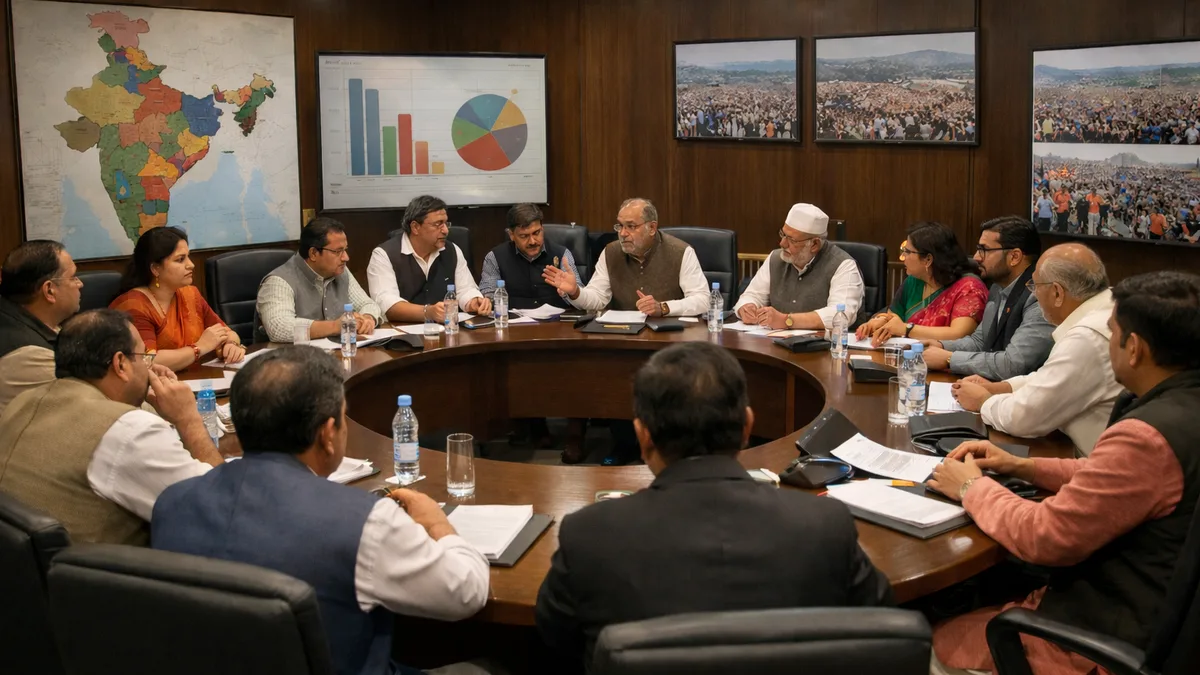
Opposition Response Sparks Nationwide Political DebateOpposition parties described the amendment as structurally linked to wider electoral restructuring and argued that it required deeper consultation before approval.
Several opposition leaders claimed the bill combined multiple constitutional changes within a single framework, while the government maintained that the amendment was necessary to fast-track women’s political representation reforms ahead of future elections.
Why Women’s Reservation Matters in Indian PoliticsCurrently, women account for only about 14% representation in the Lok Sabha and around 17% in the Rajya Sabha, highlighting the continuing gender gap in national political participation.
The proposed amendment aimed to accelerate implementation of the 33% reservation framework so that women could receive stronger representation before upcoming parliamentary cycles.
What Happens Next After the Bill’s RejectionDespite the setback in the Lok Sabha, the women’s reservation framework already passed earlier constitutional steps in previous sessions remains part of India’s long-term legislative roadmap.
Political analysts believe the government may bring a revised version of the proposal in future sessions after further consultations with opposition parties and alliance partners.r