Gas Cylinder Prices May Rise in India Due to Iran Tensions & LPG Supply Risk
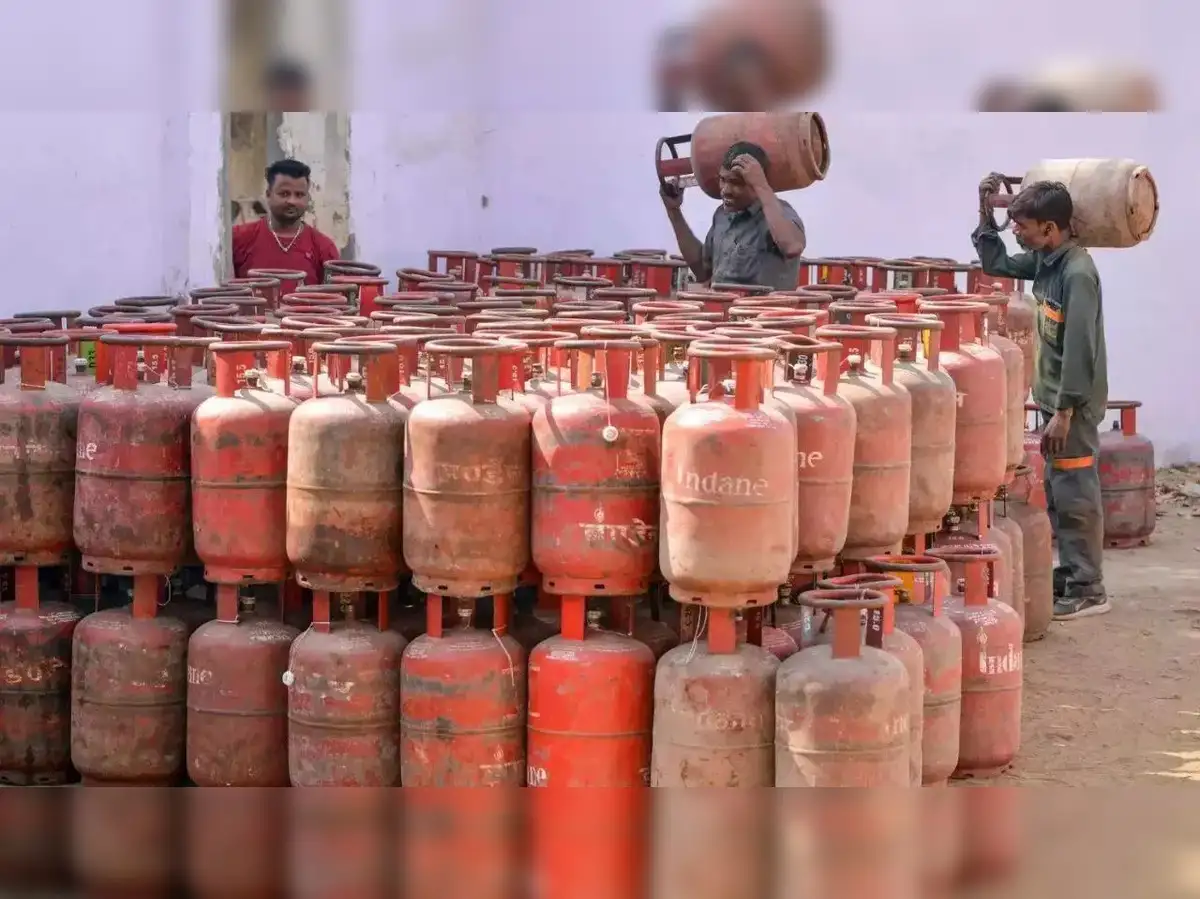

Gas cylinder prices in India may increase as Iran tensions disrupt global LPG supply. Experts warn of ₹50–₹150 hike amid rising energy costs.
Middle East Tensions May Push LPG Prices Higher
The ongoing geopolitical tensions involving Iran in the Middle East are creating serious concerns in global energy markets, especially for LPG (Liquefied Petroleum Gas). India, which heavily depends on fuel imports, could soon witness a noticeable rise in domestic gas cylinder prices.
Experts warn that if the situation escalates further, Indian households may face increased LPG costs in the coming weeks.
Why Iran Conflict Matters for India
The Middle East is one of the largest energy supply hubs in the world, and any disruption here directly impacts global fuel prices.
- The Strait of Hormuz, a key shipping route, handles nearly 20% of global oil and gas trade
- Any blockage or risk in this region can slow down LPG supply chains
- India imports over 60% of its LPG demand, mainly from Gulf countries
Key Highlight: Even a small disruption can lead to a sharp price increase in India due to high import dependency
Current LPG Gas Cylinder Prices in India (2026)
As of now, LPG prices remain relatively stable but under pressure:
- Delhi: ~₹853 per 14.2 kg cylinder
- Pune: ~₹856 per cylinder
- Other Cities: ₹850 – ₹920 range
- Commercial Cylinders: ₹1,700 – ₹2,000+
Recently observed:
- ₹50–₹60 increase in domestic LPG
- ₹100+ hike in commercial cylinders
Price movement has already started reflecting global energy pressure
Expected Price Increase: What Experts Say
Energy analysts suggest that if crude oil prices continue rising:
- LPG prices may increase by ₹50 to ₹150 per cylinder
- Global crude oil already nearing $115–$120 per barrel
- Shipping and insurance costs are also rising due to geopolitical risk
Key Highlight: Higher crude oil = Direct impact on LPG prices in India
Government Response & Latest Updates
The Indian government has started active monitoring of the situation:
- Reviewing global supply chains and import strategies
- Coordinating with oil companies to avoid sudden price shocks
- Increasing focus on domestic LPG production and reserves
Latest Update:
Officials indicate that household LPG supply is currently stable, but commercial sectors like hotels may face tighter supply if disruption continues.
What Could Happen Next?
The future of LPG prices depends on how the situation unfolds:
If tensions reduce:
- Prices may stabilize
- Supply chain will normalize
If conflict escalates:
- Fuel prices may surge globally
- LPG cylinders in India could become significantly costlier
Next 2–4 weeks are crucial for price direction
Expert Insight
Energy experts globally are advising governments to:
- Maintain strategic fuel reserves
- Diversify energy import sources
- Protect consumers through subsidy or price control measures
Conclusion (Use this at starting if needed)
This shows how gas cylinder price increase in India 2026 is closely linked to global geopolitical tensions and rising crude oil prices, making LPG costs highly sensitive to international events.