India Cuts Petrol Diesel Duty 2026: No Lockdown Confirmed Amid Oil Price Surge


India reduces petrol and diesel excise duty after global crude price surge. Government confirms no lockdown and reviews preparedness with states amid Middle Eas
The Government of India has reduced fuel excise duties on petrol and diesel to cushion the impact of rising global crude oil prices triggered by escalating tensions in the Middle East, while assuring citizens that there is no plan to impose any lockdown-like restrictions despite growing geopolitical uncertainty.
Government Reduces Fuel Excise Duty to Stabilize Prices
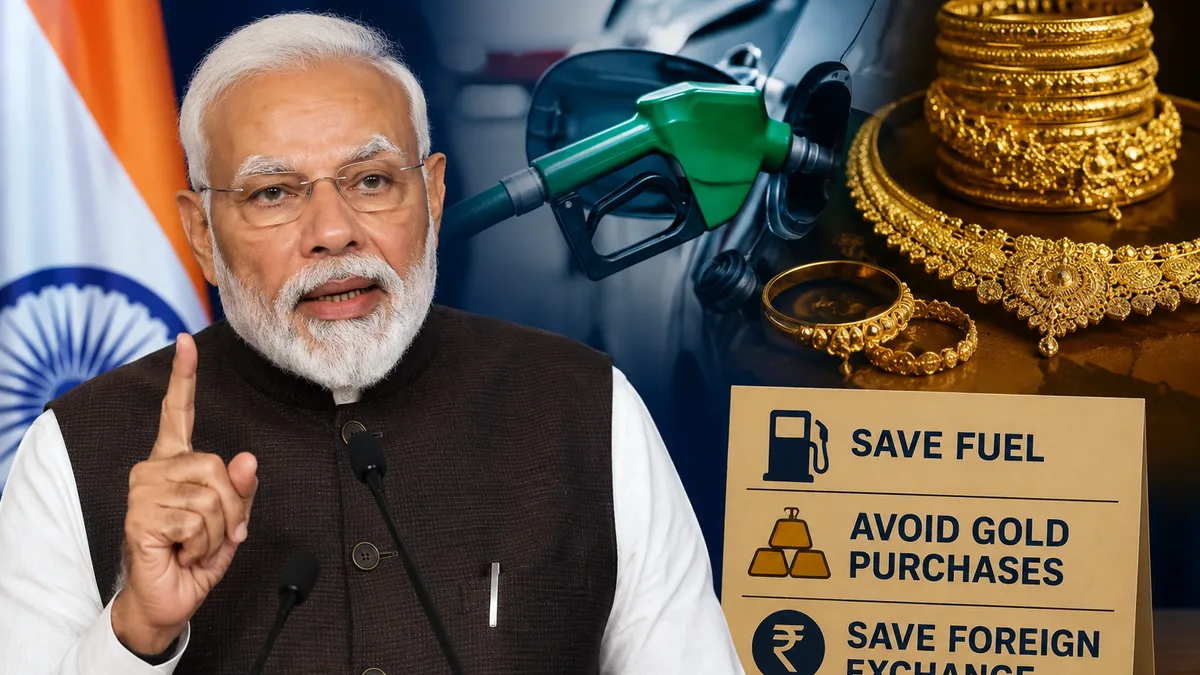
In a major policy move aimed at protecting consumers and maintaining economic stability, the Government of India announced a sharp reduction in excise duties on petrol and diesel amid a surge in global oil prices linked to the ongoing Middle East crisis. The special additional excise duty on petrol has been reduced significantly to around ₹3 per litre, while the duty on diesel has been brought down to zero.
Officials stated that the decision was taken to prevent a sudden spike in domestic fuel prices and to support oil marketing companies facing pressure due to rising import costs. The move reflects the government’s strategy to absorb part of the international price shock rather than passing the entire burden directly to consumers.
India, which imports a large share of its crude oil requirements from the Middle East region, remains highly sensitive to disruptions in global energy supply chains. The recent geopolitical tensions affecting the Strait of Hormuz — a critical route for global oil shipments — have contributed to a sharp increase in international crude prices.
Middle East Crisis Triggers Global Oil Market Volatility
Global crude oil prices crossed the $100-per-barrel mark after disruptions linked to escalating tensions in West Asia significantly affected supply routes and shipping confidence. Analysts believe that nearly 40% of India’s crude imports pass through strategic maritime corridors impacted by the crisis.
To ensure domestic fuel availability and stabilize inflation risks, the government also imposed export duties on diesel and aviation turbine fuel while adjusting tax structures to prioritize domestic supply. These steps are part of a broader strategy to protect energy security during a period of global uncertainty.
Energy experts have warned that continued instability in the Middle East could lead to sustained pressure on fuel prices worldwide, affecting transportation costs, manufacturing activity, and household budgets.
No Lockdown Planned Despite Regional Security Concerns
Amid speculation circulating on social media regarding possible emergency restrictions, government officials clarified that there is no plan to impose a lockdown or mobility restrictions in response to the Middle East crisis.
Authorities emphasized that India’s internal security situation remains stable and that the current measures are precautionary economic steps rather than indicators of domestic emergency conditions. The government urged citizens to rely only on verified information and avoid spreading rumors related to supply shortages or movement restrictions.
Officials also confirmed that adequate fuel reserves are available across the country and that supply chains remain fully operational.
Measures Taken to Protect Consumers and Industry
Alongside excise duty reductions, policymakers introduced additional support measures to reduce inflation risks and maintain economic confidence. These include monitoring export flows of petroleum products, reviewing import duties on key industrial inputs, and ensuring uninterrupted logistics support for essential sectors.
The government’s approach aims to maintain price stability in transport and agriculture sectors, where diesel consumption plays a critical role in controlling operational costs. By reducing taxation pressure on fuel, authorities hope to prevent cascading inflation across goods and services.
Economists noted that the decision will have a fiscal impact on government revenues, but it is necessary to maintain macroeconomic stability during a period of global energy uncertainty.
India Strengthens Energy Security Strategy
Officials confirmed that India continues to diversify its energy import sources and maintain strategic reserves to handle possible long-term disruptions. Additional cargo supplies from alternative partner countries are being arranged to ensure uninterrupted fuel availability if tensions persist.
The government also reassured citizens that essential services, transportation networks, and domestic fuel distribution systems are functioning normally and remain under continuous monitoring.
As global geopolitical tensions continue to influence energy markets, India’s proactive tax adjustments and supply management measures are expected to play a key role in shielding the domestic economy from sudden fuel price shocks while maintaining stability across key sectors.