Delhi Pollution 2026: AQI 400+ Severe Levels, Causes, Diseases & Government Actions
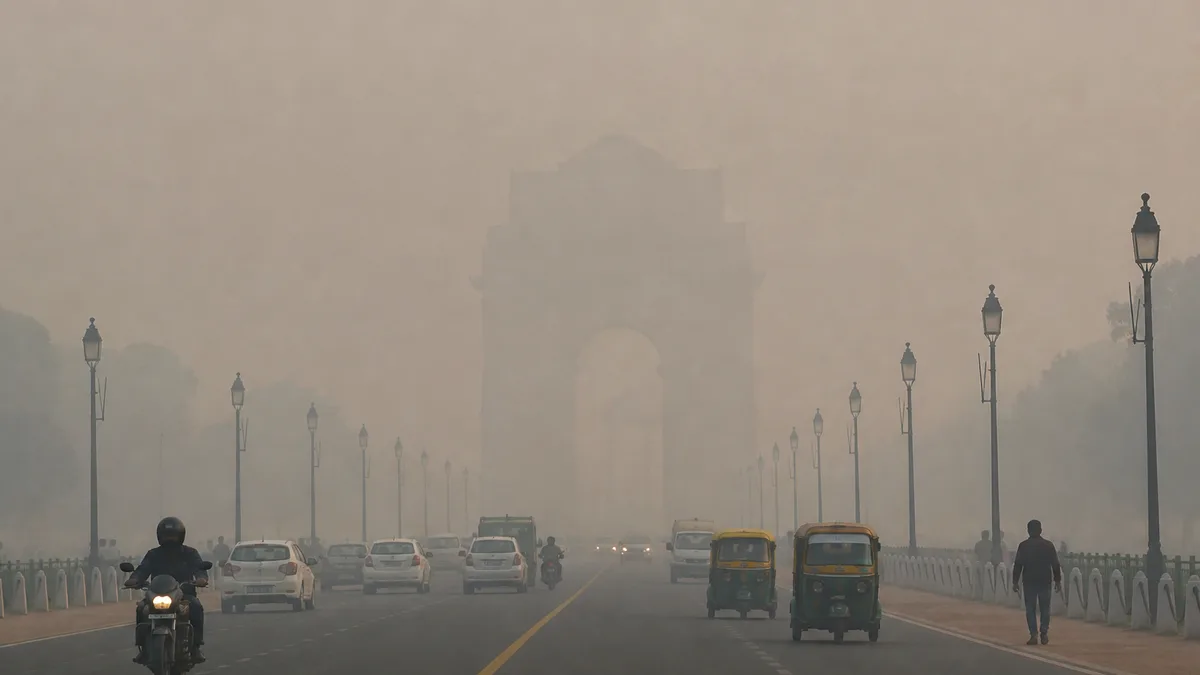

Delhi AQI crosses 400 severe level. Know real causes, pollution data, affected areas, diseases, and government actions in detail.
Delhi is once again facing a serious air pollution crisis in 2026, with the Air Quality Index (AQI) crossing dangerous levels above 400 in several parts of the city. According to recent data, areas like Anand Vihar, Ashok Vihar, and Jahangirpuri have recorded AQI in the “Severe” category, making the air hazardous for everyone.
Experts warn that an AQI above 400 can significantly affect even healthy individuals and may cause serious health issues for sensitive groups.
Most Affected Areas
Several pollution monitoring stations have reported alarming AQI levels:
- Anand Vihar: AQI above 420
- Ashok Vihar: AQI around 410
- Jahangirpuri: AQI near 400
These areas remain among the worst-hit zones, with visibility dropping and pollution levels increasing due to low wind speed and rising emissions.
Health Impact on Residents
The rising pollution has triggered major health concerns across Delhi. Doctors and health experts are advising people to take immediate precautions.
Common health issues reported:
- Breathing difficulties
- Eye irritation
- Persistent cough
- Asthma complications
Children, elderly people, and those with respiratory conditions are at high risk. Authorities are urging residents to limit outdoor activities and use masks.
Government Actions and Restrictions
The Delhi government has taken several steps to control the situation under the Graded Response Action Plan (GRAP):
- Construction activities restricted
- Diesel generator usage limited
- Schools advised to switch to online classes (in severe areas)
- Increased monitoring of industrial emissions
Officials have also increased road water sprinkling and anti-smog measures to reduce pollution levels.
What Experts Say
Environmental experts believe that the situation could worsen if weather conditions remain unchanged. Low wind speed and temperature inversion are trapping pollutants near the surface.
Experts recommend:
- Strict emission control
- Reduced vehicle usage
- Immediate policy enforcement
Precautionary Measures for Citizens
Residents are advised to follow these safety measures:
- Wear N95 masks outdoors
- Avoid morning walks during high pollution hours
- Use air purifiers indoors
- Stay hydrated and maintain a healthy diet
Conclusion
The Delhi air pollution crisis 2026 highlights the urgent need for long-term solutions. With AQI levels crossing dangerous limits, immediate action from both authorities and citizens is essential to prevent further health emergencies.