US Iran Temporary Ceasefire 2026 Middle East De-Escalation Talks Latest Update
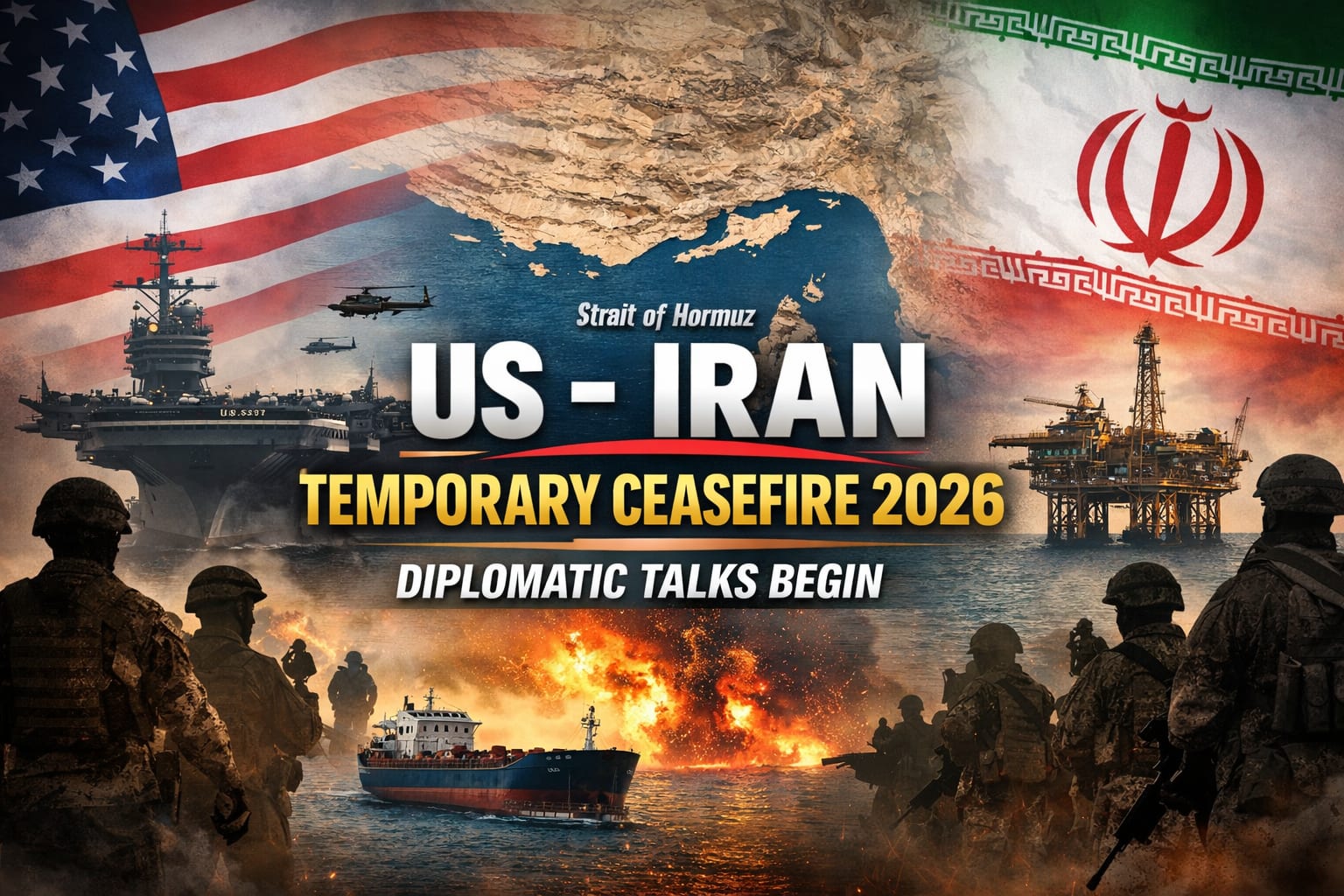

US and Iran agree to a short-term ceasefire to reduce Middle East tensions. Strait of Hormuz security and diplomatic talks remain key focus areas in 2026 update
Highlight World
👉 Ceasefire Duration: Around 1–2 weeks temporary pause
👉 Reason: Avoid military escalation and start diplomatic talks
👉 Key Issue: Strait of Hormuz security concerns
👉 Mediator Role: Support through international diplomatic channels
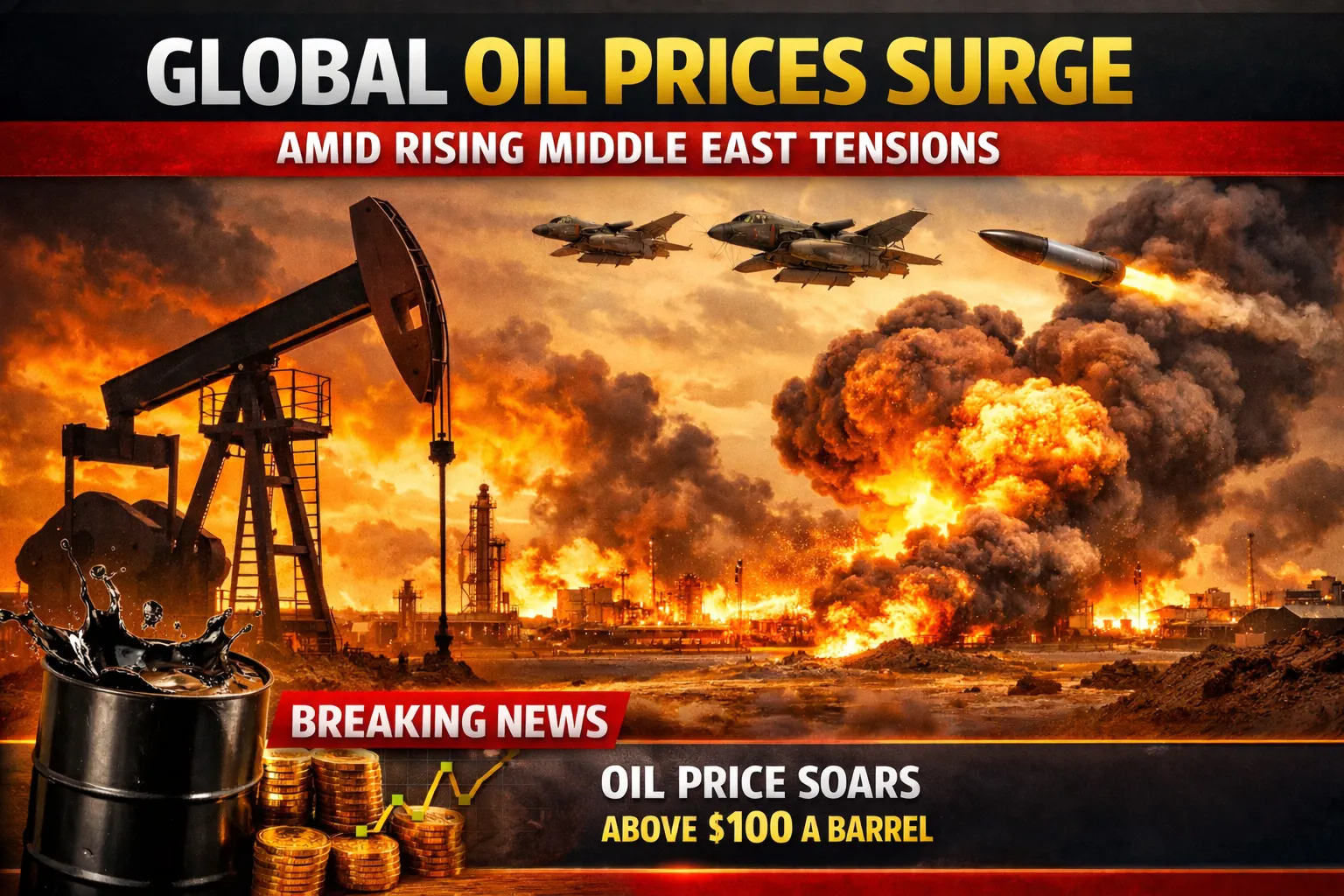
👉 Impact: Temporary relief in global oil market tension
US–Iran Temporary Ceasefire 2026: Reasons Behind the De-Escalation and Expected Duration Explained
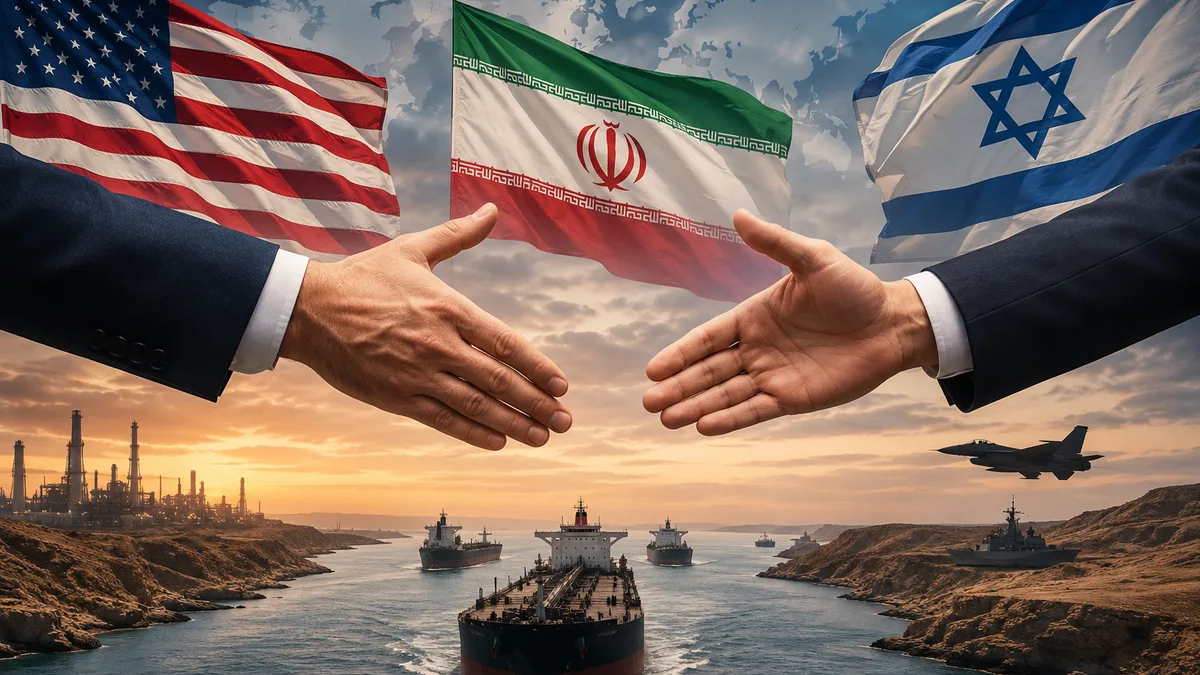
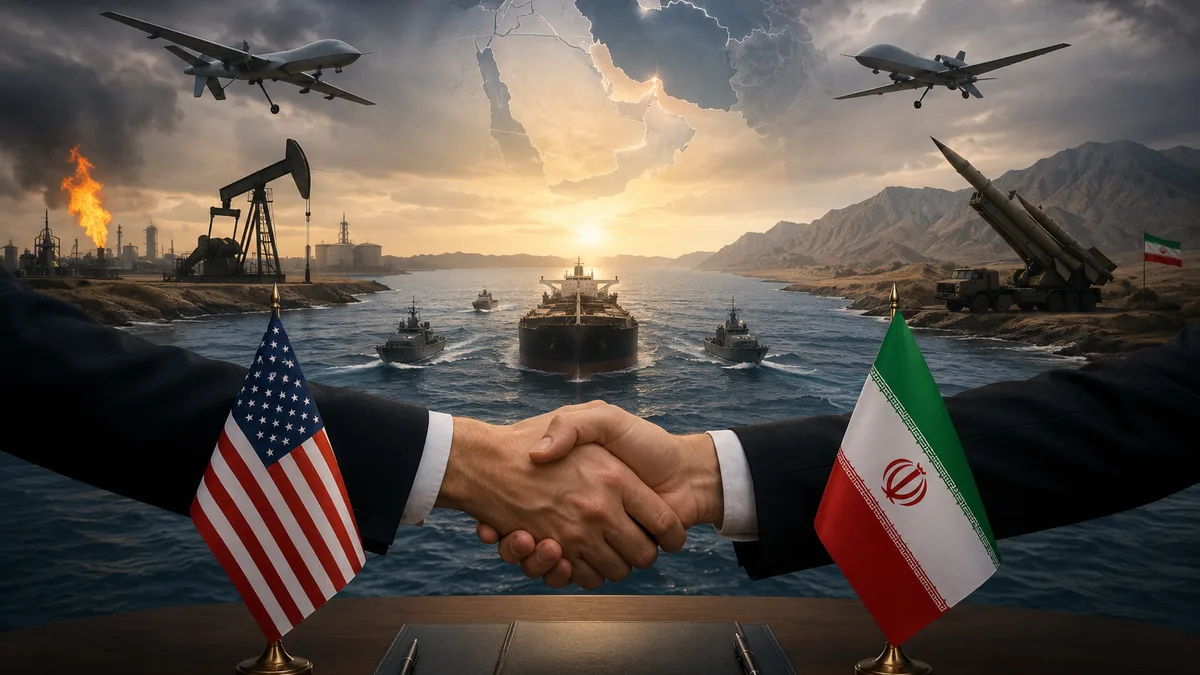
The United States and Iran have agreed on a temporary ceasefire understanding aimed at reducing rising tensions in the Middle East region and creating space for diplomatic negotiations. The move comes after growing international concern over the possibility of escalation near strategic maritime and military zones.
According to diplomatic sources, the short-term de-escalation window, expected to last around one to two weeks, is designed to prevent immediate confrontation and allow both sides to continue discussions through international mediation channels. During this period, military activity in sensitive areas is expected to remain limited and controlled.
One of the most important reasons behind the ceasefire understanding is the security situation around the Strait of Hormuz, a globally significant oil transportation route through which a major portion of the world’s energy supply passes. Any disruption in this corridor could affect global energy markets, which encouraged multiple international stakeholders to support efforts toward stability.
Officials familiar with developments indicated that the ceasefire step was not a final agreement but rather a confidence-building measure to prevent accidental confrontation and allow dialogue on regional security concerns. The initiative also reflects growing diplomatic pressure from global partners seeking to avoid further instability in the region.
Experts believe the temporary pause may support discussions on maritime safety coordination, regional military transparency, and steps to reduce the risk of unexpected escalation between the two countries. While long-term issues between the US and Iran remain unresolved, this temporary diplomatic window is being seen as an important opportunity to stabilise the situation.
Global leaders are continuing to monitor developments closely as further negotiations and mediation efforts are expected in the coming days. The coming weeks may play a crucial role in determining whether this temporary ceasefire understanding can lead to broader diplomatic progress.