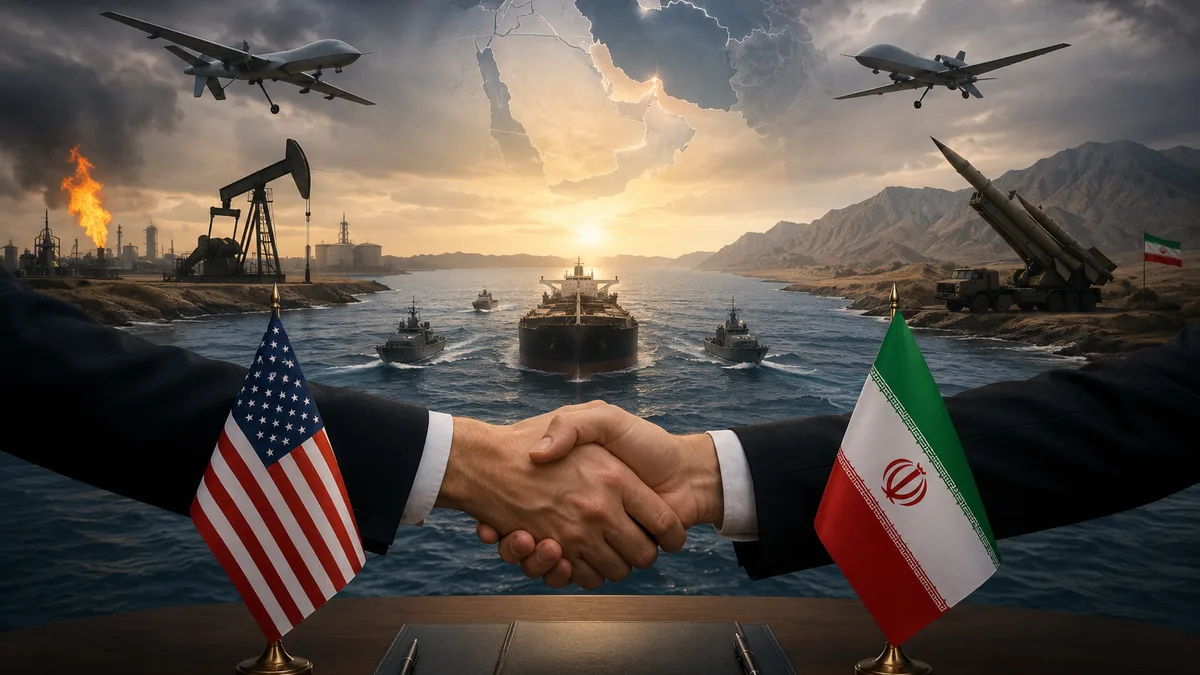
US-Iran Peace Talks Gain Momentum: Strait of Hormuz Remains Key to Global Stability
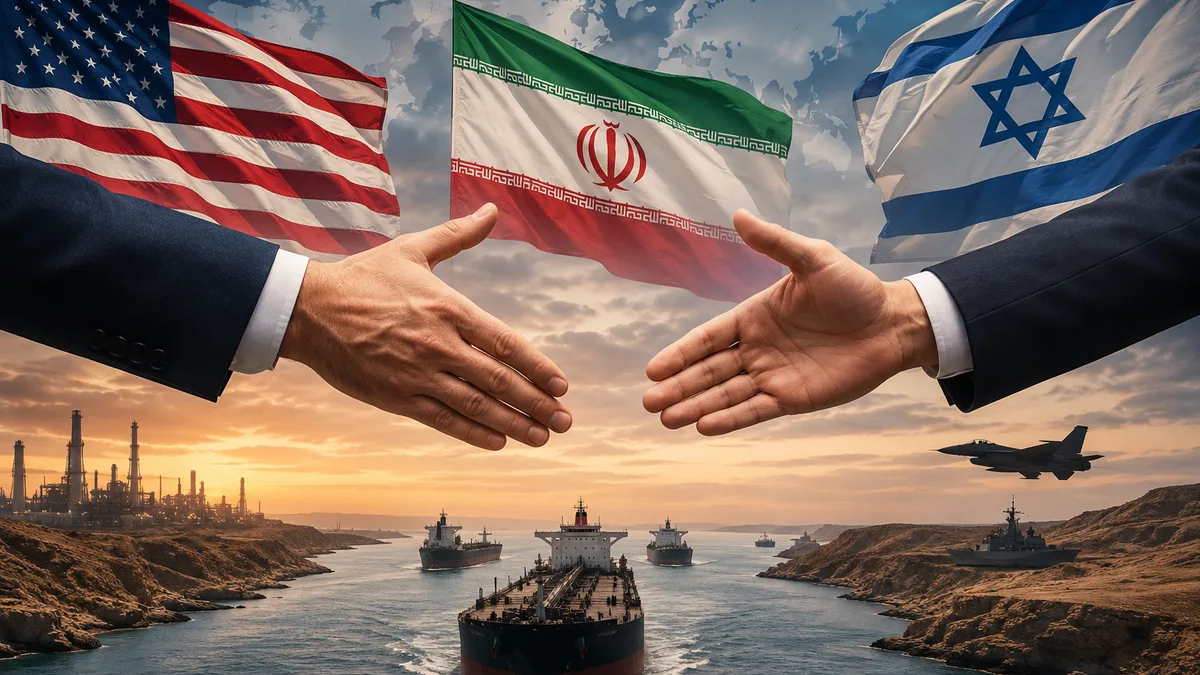
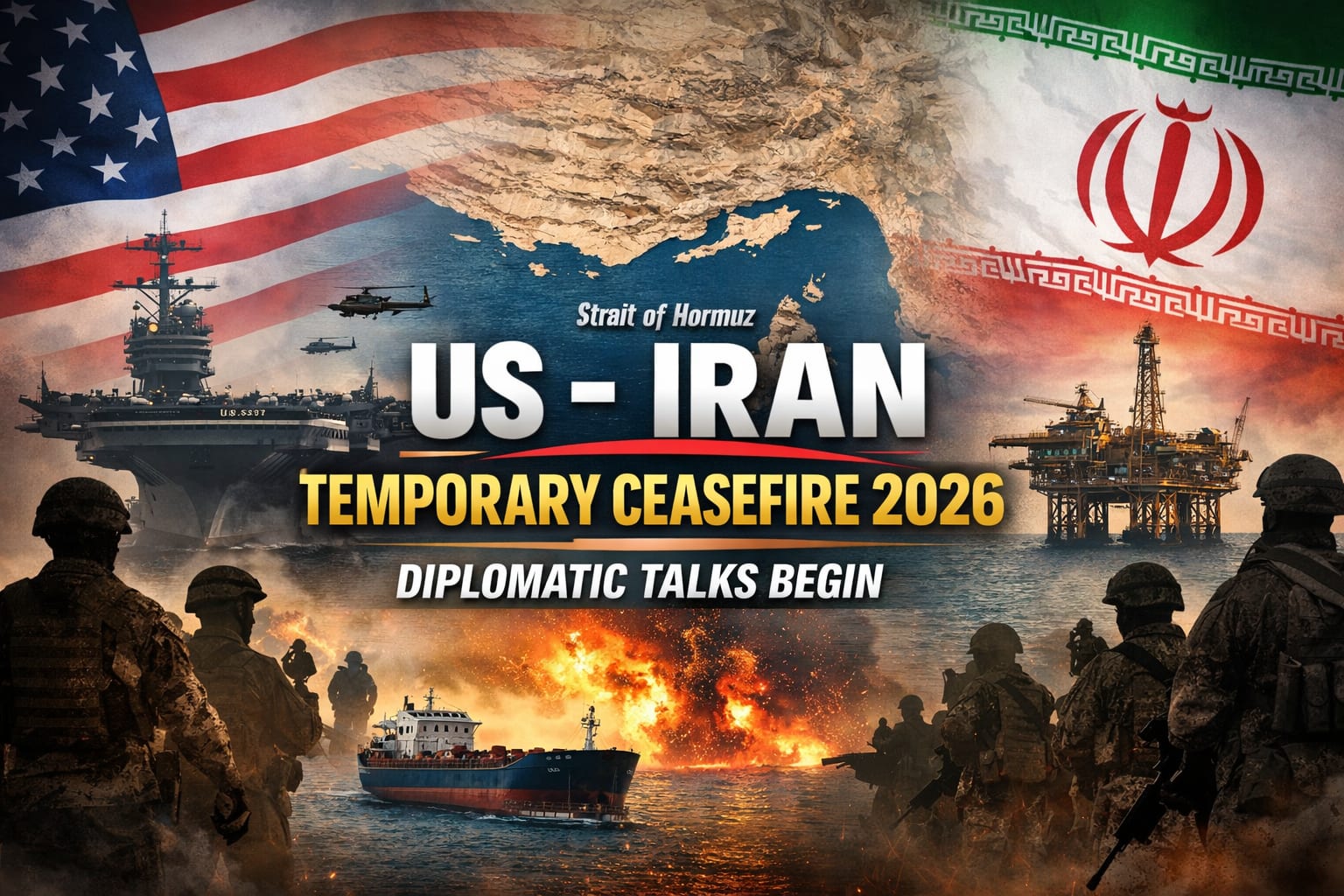
US-Iran peace talks are gaining momentum as negotiations focus on reopening the Strait of Hormuz, a key global energy route with major implications for oil markets.
US-Iran Peace Talks Show Progress as Strait of Hormuz Remains a Global Flashpoint
A New Diplomatic Opportunity EmergesThe Middle East is once again at the center of international attention as the United States and Iran appear to be making progress toward a potential diplomatic agreement. After months of political tensions, military concerns, and economic uncertainty, recent discussions between officials from both countries have raised hopes that a path toward de-escalation may be possible.
Although no final agreement has been announced, the growing willingness of both sides to continue negotiations has been welcomed by governments, investors, and international organizations around the world.
Why These Talks MatterThe relationship between Washington and Tehran has remained tense for years, affecting regional stability and global energy markets. Any improvement in relations could have significant consequences not only for the Middle East but also for countries that depend on stable oil supplies.
Experts believe that a successful diplomatic breakthrough could reduce the risk of military confrontations and create opportunities for broader regional cooperation. However, many complex political and security issues still need to be addressed before a lasting agreement can be reached.
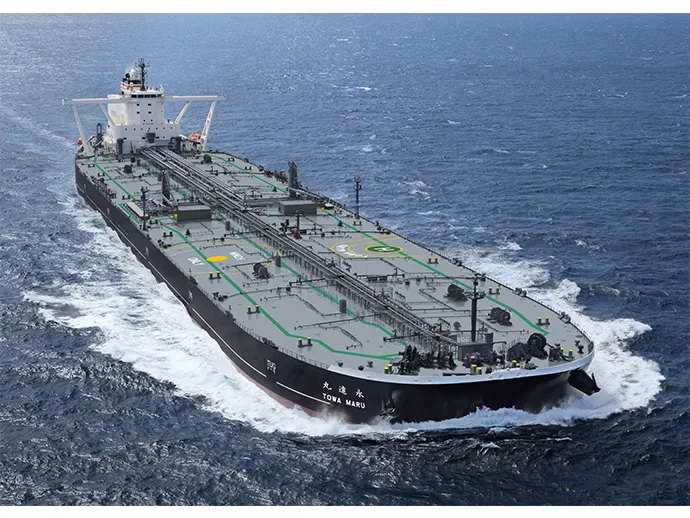
Strait of Hormuz at the Center of DiscussionsOne of the most important issues in the ongoing talks is the future of the Strait of Hormuz, a narrow waterway that serves as a critical route for global energy transportation.
Every day, millions of barrels of oil pass through this strategic corridor. Because of its importance, any disruption in shipping activity can immediately affect global markets and increase energy prices worldwide.
For this reason, ensuring the safe movement of commercial vessels through the Strait has become a major priority for diplomats and international stakeholders.
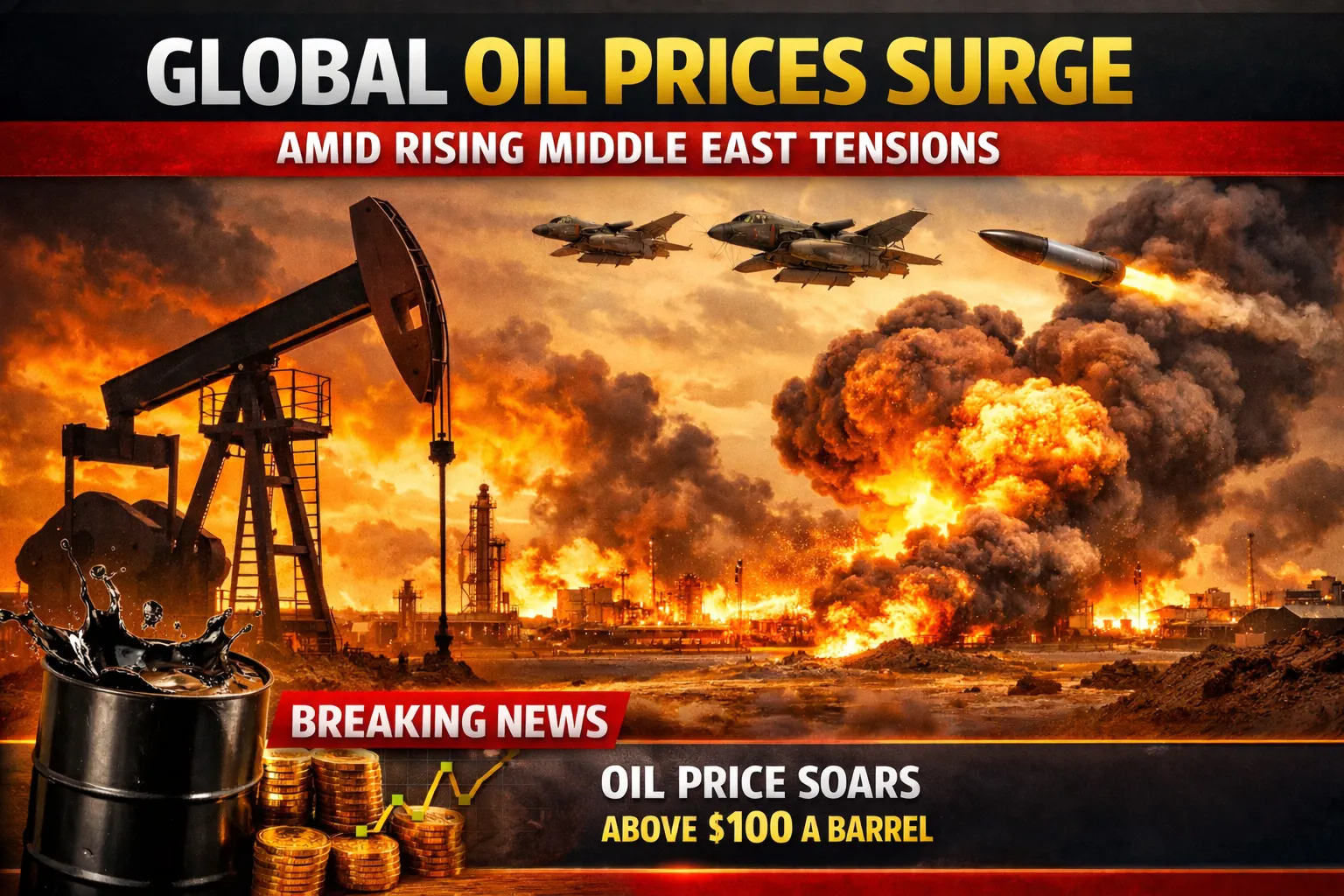
Global Markets React to Positive SignalsReports suggesting progress in negotiations have already influenced financial markets. Investors are closely monitoring developments because a reduction in regional tensions could improve confidence in global energy supplies.
Oil prices have shown signs of stabilization as traders assess the possibility of improved security conditions in the Gulf region. Lower energy prices could provide relief for consumers and businesses in many countries, especially those heavily dependent on imported fuel.
Market analysts caution, however, that volatility may continue until a formal agreement is signed and implemented.
Israel Continues to Monitor DevelopmentsIsrael remains an important factor in the broader regional security environment. Israeli officials have repeatedly emphasized their concerns regarding long-term security challenges in the Middle East.
As negotiations continue, regional governments are carefully evaluating how any future agreement could affect military balances, diplomatic relations, and security partnerships throughout the region.
Many observers believe that cooperation among key regional powers will be necessary to ensure that any agreement produces lasting stability.
Potential Impact on Global Energy SecurityA successful diplomatic outcome could significantly improve global energy security. With shipping routes operating normally and tensions reduced, international markets may experience greater stability and predictability.
Countries across Asia, Europe, and other regions closely watch developments because disruptions in Middle Eastern energy exports often have direct effects on fuel costs, inflation, and economic growth.
Businesses involved in shipping, transportation, and manufacturing are particularly interested in the outcome of these discussions.
Challenges Still RemainDespite the recent optimism, several obstacles continue to stand in the way of a final agreement. Differences over security guarantees, regional influence, and long-term commitments remain subjects of intense discussion.
Diplomatic experts note that negotiations of this scale often require patience and compromise from all parties involved. While progress is encouraging, significant work still lies ahead before any deal becomes official.
Both sides are expected to continue talks in the coming days as efforts to bridge remaining gaps move forward.
What Happens Next?The international community is now waiting to see whether ongoing discussions can be transformed into a formal agreement. Any major breakthrough would likely have immediate effects on global markets and regional politics.
For now, attention remains focused on the negotiating table and on the future of the Strait of Hormuz, which continues to be one of the most strategically important waterways in the world.
ConclusionThe latest developments in US-Iran peace talks have created cautious optimism across the international community. While a final agreement has not yet been reached, signs of progress suggest that both sides are exploring ways to reduce tensions and improve stability.
If successful, these negotiations could help secure critical trade routes, support global energy markets, and reduce geopolitical uncertainty in one of the world's most sensitive regions. The coming weeks may prove crucial in determining whether diplomacy can deliver a lasting solution.