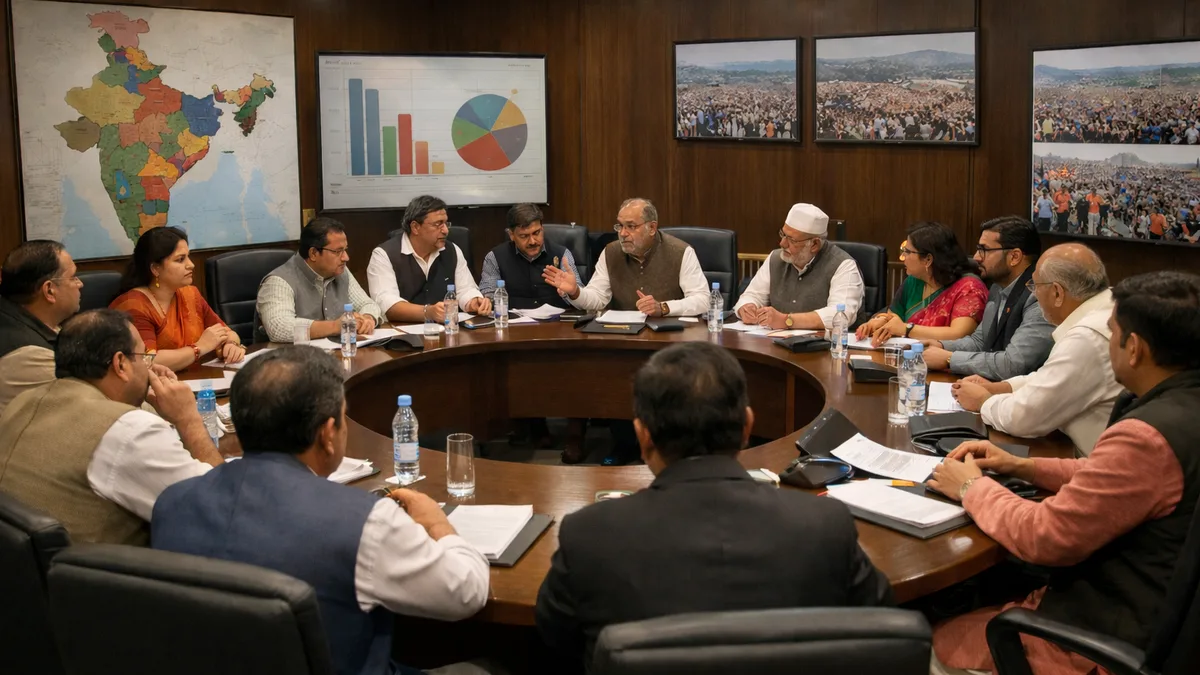
Amazon Flipkart New Seller Policy 2026 | India E-commerce Seller Rules Update
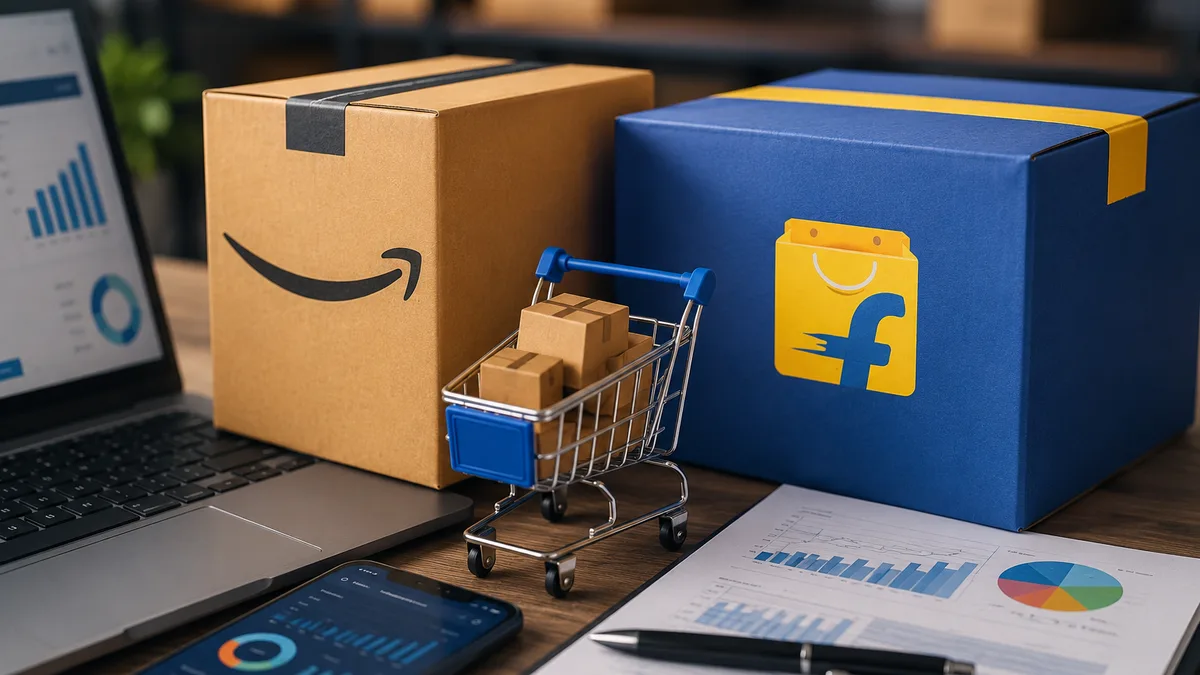

Amazon and Flipkart introduced new seller policy updates in 2026 affecting commissions, returns, product listings, warehousing, and fake review controls for Indian online sellers.
Amazon & Flipkart Introduce New Seller Policy Changes in India
India’s e-commerce sector is witnessing major changes after leading online marketplaces Amazon and Flipkart introduced updated seller policies for 2026. The new rules are expected to directly impact lakhs of online sellers, small businesses, warehouse partners, and digital entrepreneurs across the country.
The updated policies mainly focus on:
- Fake product control
- Faster delivery systems
- Return fraud reduction
- Seller rating transparency
- Warehouse management
- AI-based listing monitoring
- Customer satisfaction improvement
Industry experts believe these changes could completely transform how online sellers operate on major e-commerce platforms in India.
Why Amazon and Flipkart Changed Seller Policies
Over the last few years, India’s online shopping market has grown rapidly. Millions of customers now purchase products daily through Amazon and Flipkart platforms.
However, the rapid growth also created several problems including:
- Fake product listings
- Duplicate brands
- High return fraud
- Fake customer reviews
- Delivery scams
- Low-quality products
- Warehouse delays
Customers had started complaining about damaged products, wrong deliveries, and misleading listings. At the same time, genuine sellers also complained that fake sellers were affecting their business and customer trust.
To solve these issues, both companies reportedly decided to strengthen seller verification systems and introduce stricter operating rules for marketplace sellers.
New Seller Verification Rules Introduced
One of the biggest updates in the new policy is stronger seller verification.
According to reports, sellers may now need:
- GST verification
- PAN card validation
- Aadhaar authentication
- Business address proof
- Bank verification
- Brand authorization documents
Amazon and Flipkart are reportedly increasing AI-based monitoring systems to detect suspicious seller activity and fake businesses.
Experts say these steps are mainly aimed at stopping fraud sellers who create temporary accounts, sell fake products, and disappear after receiving payments.
Crackdown on Fake Reviews and Manipulated Ratings
Another major change focuses on fake product reviews and manipulated ratings.
Both companies are reportedly using AI tools to identify:
- Fake positive reviews
- Paid ratings
- Automated review spam
- Review exchange groups
- Manipulated customer feedback
Sellers caught using fake review methods may face:
- Product listing suspension
- Account penalties
- Reduced visibility
- Permanent seller bans
Industry analysts believe this move could improve customer trust because many buyers were previously confused by artificially boosted product ratings.
Return Policy Changes May Impact Sellers
One of the most discussed changes involves product return systems.
Many sellers had complained that return fraud was causing major financial losses. Common issues included:
- Used products being returned
- Empty boxes returned
- Damaged items replaced by customers
- Fake complaints for refunds
Under the updated system, companies are reportedly introducing:
- Video verification for expensive products
- Stricter return investigation
- AI fraud detection
- Better packaging checks
- Seller protection mechanisms
However, some small sellers are worried that complicated verification systems could increase operational pressure and delivery delays.
Faster Delivery Rules for Sellers
Amazon and Flipkart are also focusing heavily on delivery speed competition.
The companies are reportedly encouraging sellers to:
- Store inventory in company warehouses
- Maintain faster dispatch times
- Improve stock availability
- Reduce cancellation rates
Sellers with faster delivery performance may receive:
- Better search ranking
- Higher visibility
- Featured product placement
- Faster payment cycles
Experts say delivery performance is becoming one of the biggest factors in e-commerce competition across India.
AI Technology Now Monitoring Product Listings
Artificial Intelligence is now playing a major role in online marketplaces.
According to industry reports, Amazon and Flipkart have started using advanced AI systems to monitor:
- Fake brands
- Copyright violations
- Duplicate listings
- Misleading titles
- Incorrect specifications
- Price manipulation
Products violating platform policies may now get automatically removed before customers even place orders.
This AI monitoring system is expected to reduce counterfeit products and improve overall marketplace quality.
Small Businesses and Local Sellers May Benefit
Business experts believe genuine small businesses could benefit from these changes in the long term.
Earlier, many small sellers struggled because fake sellers used unfair pricing and manipulated reviews to dominate product rankings.
With stricter verification and fraud control systems, trusted sellers may now receive:
- Better customer confidence
- Improved visibility
- Reduced fake competition
- Higher conversion rates
Government officials have also encouraged e-commerce companies to support local Indian businesses under digital commerce expansion programs.
Seller Community Reacts to New Rules
The response from the seller community has been mixed.
Some sellers welcomed the policy changes and said stricter controls were necessary to remove fake businesses and improve customer trust.
However, others expressed concerns regarding:
- Higher compliance costs
- Increased documentation
- Complex verification systems
- Additional warehouse expenses
- Return handling pressure
Small-scale online sellers especially fear that rising operational requirements could affect profitability.
Industry groups are reportedly in discussion with e-commerce companies regarding implementation flexibility for small businesses.
Indian E-commerce Market Growing Rapidly
India is currently one of the fastest-growing e-commerce markets in the world.
Online shopping demand has increased rapidly due to:
- Smartphone growth
- Cheap internet access
- UPI digital payments
- Rural online shopping expansion
- Faster logistics networks
Experts believe India’s e-commerce market may cross hundreds of billions of dollars in the coming years.
Because of this rapid growth, platforms like Amazon and Flipkart are under pressure to improve customer trust, delivery efficiency, and product quality standards.
Government Also Monitoring E-commerce Platforms
Government agencies and regulatory authorities are also closely monitoring online marketplaces.
Officials have previously raised concerns regarding:
- Fake discounts
- Predatory pricing
- Consumer protection
- Seller fairness
- Data transparency
Experts believe future regulations may become even stricter as India’s digital economy continues expanding.
Consumer protection authorities have repeatedly stated that e-commerce platforms must ensure transparency and accountability in online transactions.
Future of Online Selling in India
Business analysts say the future of Indian e-commerce will increasingly depend on:
- AI automation
- Trusted seller systems
- Faster logistics
- Transparent reviews
- Customer protection
- Digital business compliance
The new Amazon and Flipkart seller policies may initially create challenges for some businesses, but experts believe they could improve marketplace quality in the long term.
As India’s online shopping industry grows rapidly, sellers may now need to focus more on genuine products, customer trust, and professional business operations instead of shortcut marketing tactics.
The coming months will reveal how strongly these policy updates impact India’s massive e-commerce ecosystem and whether sellers successfully adapt to the new digital marketplace environment.